A few years ago before my first child, I joined the local Labour Party and stood for election to the town council.
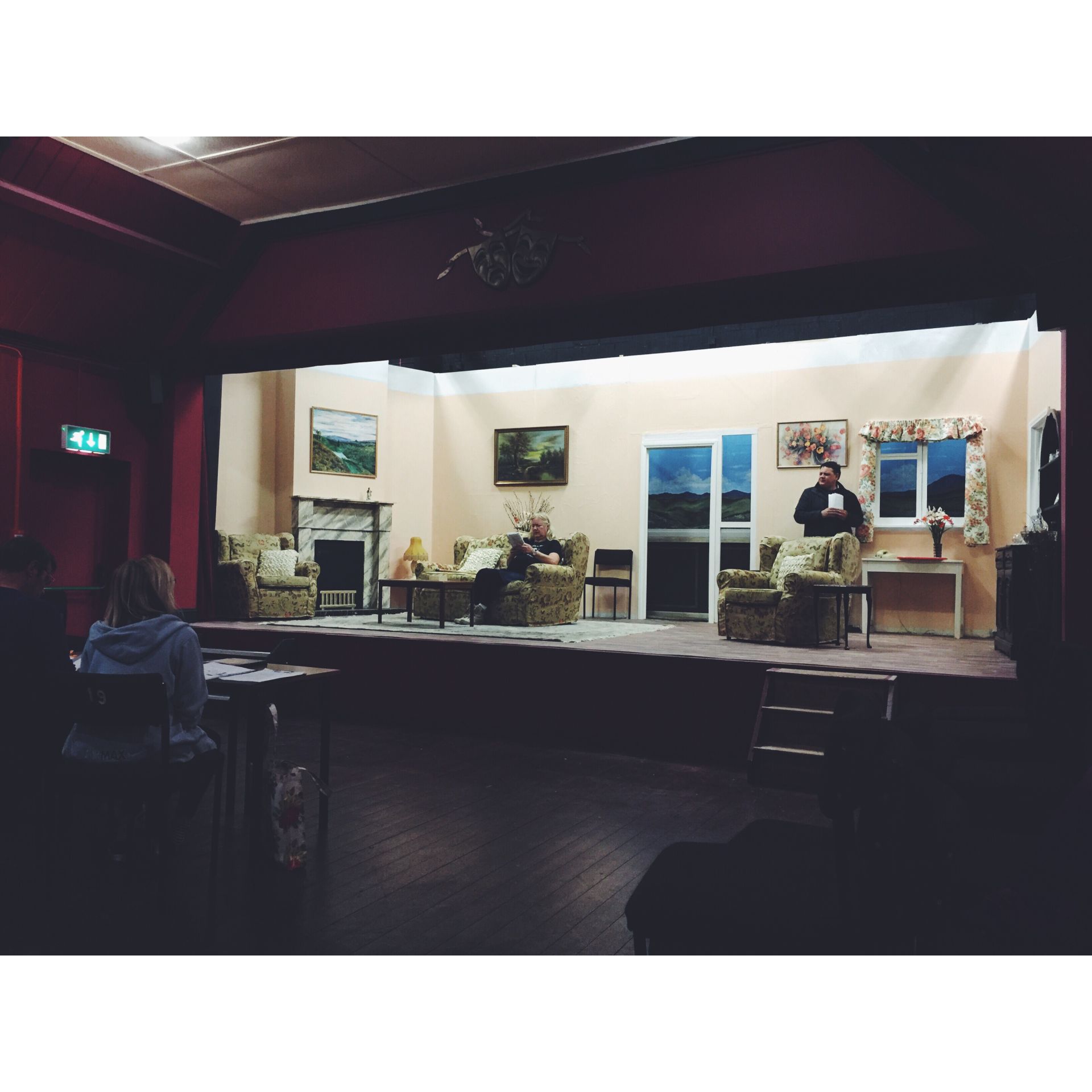
At the same time I joined a theatre group and took a main role in a play (I'm a sucker for the smell of dusty stage boards).
I had recently gone freelance, working solely from home, and I missed chatting with people face to face.
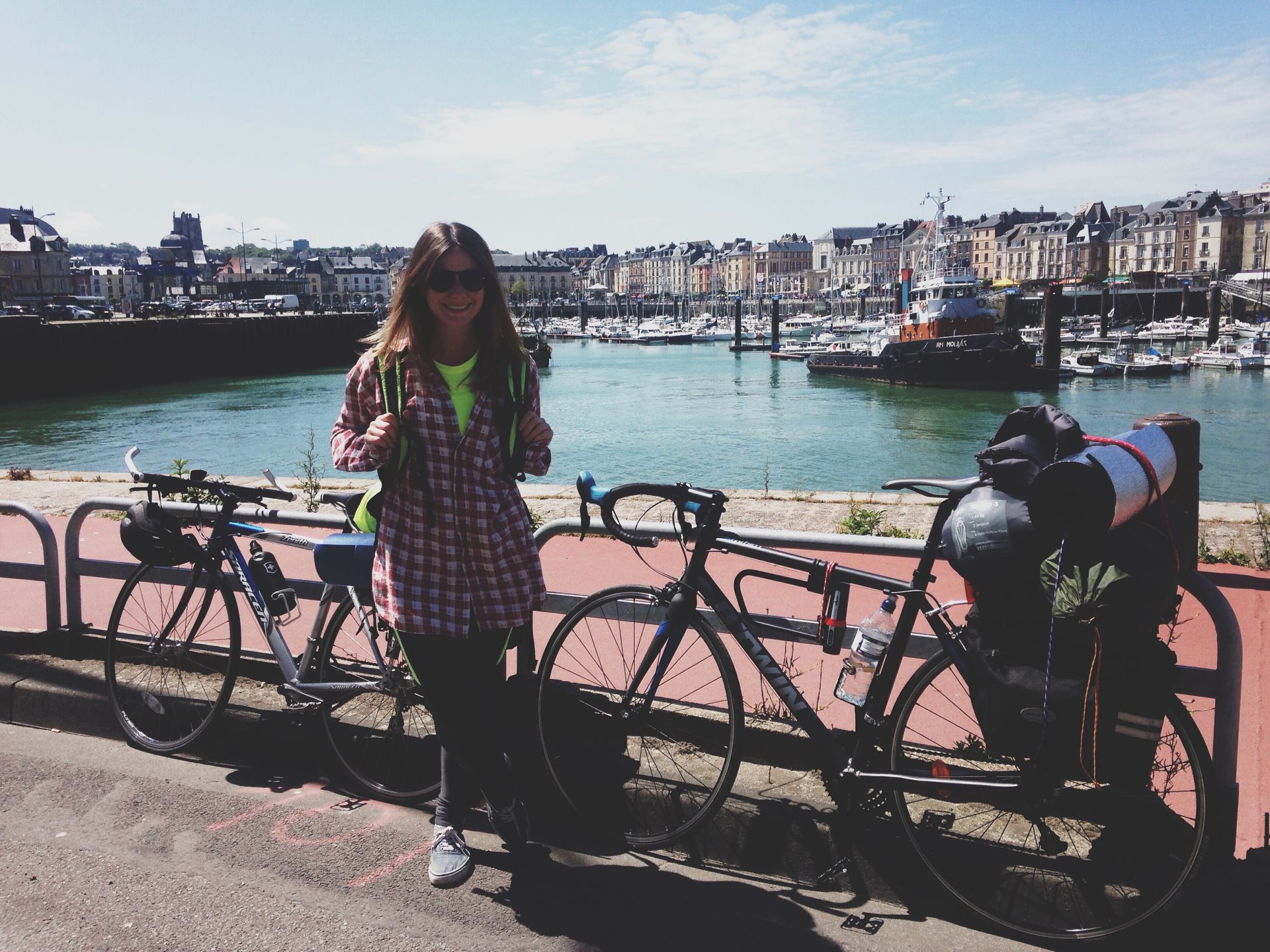
I remember this as a really positive point in my life. I had an old road bike that had moulded to me like an extra limb and I'd hop on it to various meetings and rehearsals.
The experience of canvassing for Labour was sticky. It was the Corbyn era and this is a small Tory town. We had doors slammed in our faces and even two people on separate occasions follow us down the street shouting.
Often I didn't want to go but I'd committed, so I did. And as well as being tricky and uncomfortable, there were also great moments of solidarity and meaning, all adding to my positive memories of it now.
Life felt satisfying.
It also softened my edges to the whole 'left' and 'right' thing which I refused to budge on previously. Volunteering outside polling stations with members of other parties, I began to see the similarities rather than the differences - mostly we all wanted a cup of tea, a chair and to whinge about the cold.
Because we're humans and we are first and foremost wired for connection.
This also laid the groundwork for harder conversations, led with an open mind - 'can you tell me more about why you voted Brexit?'
Third spaces are the places that aren’t work or home but are neutral grounds where people gather, nudging us to converse with people we wouldn't necessarily choose to hang out with.
Cafes, libraries, community gardens, pubs…all these places have been decimated in recent years.
Technological advances, the loss of these spaces and a change in the way we behaved during Covid have made us hooked on convenience and super strong boundaries.
But this is incompatible for community building.
Community building and care is inconvenient. It is annoying. It interrupts our day and asks us to contribute when we’re low on fuel.
Technology has told us we can have all the benefits of community without any of the work it takes to participate in it. Everyone craves community but they don’t want the weight of responsibility that comes with it.
And while we scroll past strangers' lives several times a day, say no helping at events to protect our mental health and build our fences higher to block the older neighbour who still likes to pop his head over for a chat, we are losing even more of what it means to be human.
Community building that grows like a forest, not a factory

Created with